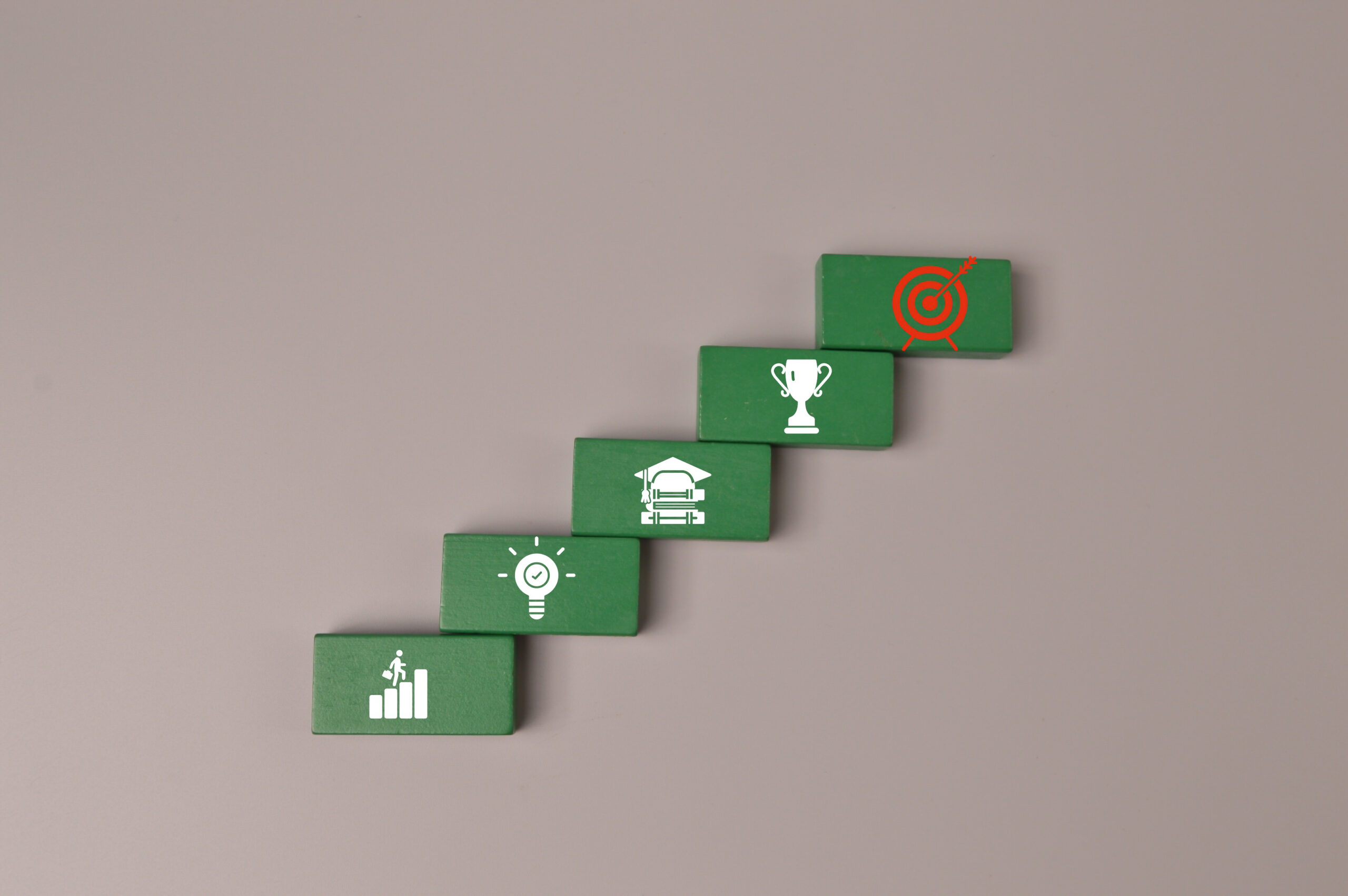


Career changes are often seen as too risky. Especially if there is no previous experience in a particular area. As a result, most people tend to stay in their old jobs simply because they cannot face an unknown. But, with the right attitude and mindset, anyone can change their career and improve their professional future.
Why Do People Change Their Career
There can be various reasons for such actions. Some do not find satisfaction in their profession, while others are attracted by higher salary rates or better work-life balance. Identifying your personal motives is essential in order to stay consistent during the whole period of changing.
Set Your Career Change Goals
Prior to taking any action, determine the new career you would like to follow. Conduct research in regard to career requirements, its potential benefits, etc. Having a concrete goal will help you organize the process of changing.
Learn about the Required Knowledge and Skills
It is impossible to change careers without prior investigation of skills required for certain professions. Create a list of these skills and assess how well you fit them.
Get a Better Understanding of What Needs to Be Done
One should not always get a degree in order to enter a new career. There are plenty of options, including online courses or obtaining relevant certificates.
Use Skills from Your Former Profession
If your former career involves such important things as good communication or ability to cooperate, use these skills as an advantage.
Develop Relevant Experience
It is hard to get a job without relevant experience. But one can obtain this experience through small projects and internships.
Revise Your Resumé and LinkedIn Profile
Update your resumé according to your plans. It should correspond to the requirements of your new career. Also, update your LinkedIn profile to prove your new direction.
Start Networking
Meet other professionals who have already managed to change their careers. Networking can help in discovering opportunities and sharing tips.
Apply for Entry-Level Positions
Prepare yourself for the fact that you should start from scratch. Apply to entry-level positions or internships as they provide good practice.
Be Patient and Persistent
A change of career will take time. Moreover, you might face numerous problems, failures, and rejections. Just stay positive and try your best.
Avoid Popular Mistakes
First of all, never leave your current position before creating a plan of action. Also, try to avoid being overly optimistic and expecting rapid results.
Conclusion
Changing careers is not easy. And it requires a lot of effort. But with proper planning and persistence, it can bring good results. Start with the first small step.